
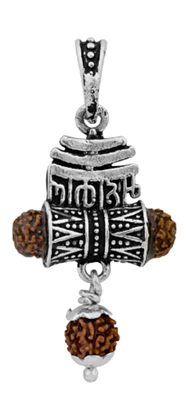
The rudraksha is the seed of the Elaeocarpus ganitrus tree, a broadleaf evergreen found mainly in the Himalayan foothills, parts of Southeast Asia, Indonesia (especially Java and Sumatra), and Nepal. The name comes from Sanskrit “Rudra” (Shiva) and “aksha” (eye/tear), and in Hindu tradition the beads are strongly associated with Lord Shiva.
Key points:
Mukhi (faces): Each bead has natural vertical lines or clefts called “mukhi.” They range from 1-mukhi to 21-mukhi and beyond, though 5-mukhi is by far the most common and widely used in malas. The 1-mukhi is considered the rarest and most prized.
Uses: Traditionally strung into malas (usually 108 beads plus one) for japa meditation and mantra chanting. Worn as bracelets, necklaces, or kept for spiritual practice.
Claimed benefits: In Ayurveda and traditional belief, rudraksha is said to promote calmness, focus, and physical wellbeing (some claim effects on blood pressure and stress). These are traditional claims, not established by rigorous scientific evidence.
Sizes: Nepali beads tend to be larger with deeper, clearer mukhi lines and are generally considered higher quality; Indonesian/Java beads are smaller and cheaper.
Authenticity: Genuine beads have naturally formed mukhi lines and a hard, textured surface. Fakes are commonly made from other seeds, wood, or molded plastic. A common (though not foolproof) test is that real rudraksha usually sinks in water, but soaking and boiling tests can damage beads, so visual/X-ray verification by an expert is more reliable.
Care: Keep dry when not in use, oil occasionally (sandalwood or mustard oil) to prevent cracking, avoid harsh chemicals.
Reviews
There are no reviews yet.